Becoming a tester from scratch
Fixing defects and improving a product is interesting work. Seeing the results of your effort and knowing the software turned out convenient and effective is satisfying. If you want work that you enjoy and that is properly valued by both employers and the ordinary users of your product, do not pass up the chance to train as a tester from scratch.
What a tester does and where the profession leads
A tester answers for the quality of the finished product. They neither plan it nor build it. A testing course from scratch is an excellent fit for anyone who does not want to write code or design interfaces. The work is clear and orderly: you follow a considered method, study the product closely, document defects, inconsistencies and faults, and then analyse the result.
From tester to lead
A tester is a respected member of the team that builds a product. The more software reaches the market, the greater the demand for them. Finish a testing course and you become not merely a sought-after specialist but someone who can choose the specialism that interests them most, take those skills into an adjacent field, or consult for businesses. There are a great many advantages and prospects, but taking them means entering the profession properly.
How to become a tester from scratch and which skills a beginner needs
To find your road you need to see the goal, and it should be specific and achievable. Working out how to become a tester on your own starts with identifying the skills the job requires. Applying for a junior QA engineer role, a candidate will be asked for these technical skills:
- Knowing the testing methods that exist and how to use them.
- Command of the tools that manage tests and track defects: Jira, TestRail, Selenium, Postman.
- Basic knowledge of programming and of how software is structured. Ideally you will also understand at least the main languages such as Java, JavaScript and Python.
If you want to teach yourself, make these requirements the basis of your own curriculum.
Where to start
Teaching yourself can be effective if it is set up properly. Create the right conditions, gather the resources, write out every step in order and be patient rather than expecting instant results. Be ready for the ups and downs alike — the moments of pride at how far you have come, and the doubts.
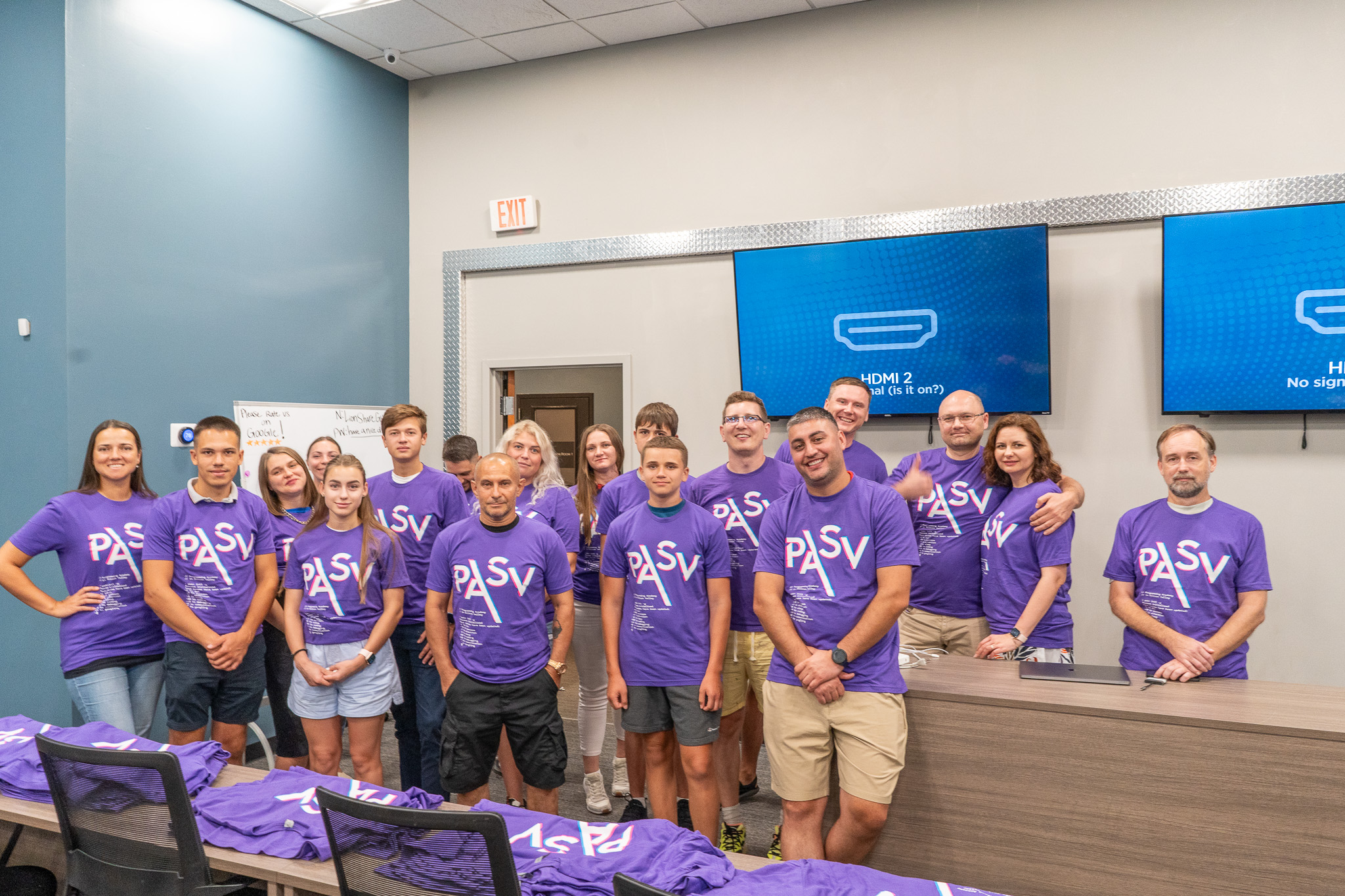
PASV instructors were students once too and know how hard the road from nothing can be. They shared a few pieces of advice on teaching yourself and making a proper start:
- Learn how software is built and where testing sits within it.
- Study as much material as you can on the types and methods of testing, how they differ, and their stages and characteristics.
- Read books on testing, subscribe to relevant newsletters and read articles on the subject.
- Take free testing courses and watch the video lectures and workshops freely available on YouTube, Coursera and Udemy.
- Practise. No specialist gets by on theory alone. Look for ways to gain hands-on experience: watch for internship offers, ask to join startups or open projects on GitHub, register on crowdtesting platforms such as uTest. You can also build your own project and write a test plan for it.
Teaching yourself: quality against cost
Becoming a tester from scratch for nothing is a realistic, achievable goal. Self-study using open sources, books and instructional video brings noticeable results, and it is an effective way to get acquainted with the profession. It is an excellent start for anyone unsure whether the direction suits them, whether they will find the work interesting, or where to begin at all.
Going it alone is the better option financially and in how you spend your own resources, but there are catches:
- The study can be chaotic without a curriculum.
- You get no good feedback, which makes working through your mistakes hard.
- An employer will find it hard to assess your ability without a certificate confirming your competence.
- Without oversight and firm deadlines, procrastination sets in and motivation goes with it.
- Where a course guarantees a clear window in which you will acquire the skills to start, self-study can stretch out indefinitely.
If you are looking at testing in order to change profession and build a career in it, we would recommend a course.
What the PASV testing course offers
Learning software testing from scratch is a many-sided business. How well you pick up a new profession depends on your own self-discipline, on the quality of the material you use, on the curriculum and on the people mentoring you. The PASV testing course covers those needs as fully as it can:
- The curriculum is built around what employers actually ask for and combines theory with a great deal of practice.
- The instructors are experienced programmers from Silicon Valley. They teach and give feedback on every assignment.
- Students take an internship at a real company and graduate with experience already behind them.
- On finishing, they receive a certificate confirming their competence.
A testing course from scratch is a fast, effective way to learn a new profession. Within a few months you will be getting through interviews and putting yourself forward for the job you want.