How to become a test automation engineer

Want to build a career in tech but not spend it on identical routine tasks? Enjoy learning new technology and want your role on a project to be visible and genuinely useful to the company? Take a look at test automation. It is a promising, well-paid and interesting field that keeps developing. But let's take it in order.
What a test automation engineer does
To be sure a finished software product works and works well, it has to be tested. Testing by hand takes a great deal of time, and human error is always in play. Automated tests find defects quickly and efficiently and make software more reliable. So what does the automation engineer do, if the machine is doing the checking? They build and maintain those tests:
- designing test scenarios;
- writing the tests;
- setting up test environments;
- running the tests and analysing the results;
- keeping the tests up to date.
Given that range of responsibilities, what does a test automation engineer need to be able to do, and which skills do they need? Point by point.
What an automation tester needs to know
- Programming languages.
- The popular test automation tools.
- The principles of software testing.
- How to analyse test results properly and work out the cause of a failure.
- Communication skills, for working with the rest of the team.
Which language should an automation engineer learn?
Before you start studying, decide which language to learn. It determines which tools you can reach for and which problems will be within your grasp. The languages used most often are:
- Java;
- Python;
- JavaScript;
- C#;
- Ruby.
Each has its own character, so if you are new and wondering what to learn, we would recommend choosing on the basis of personal preference and where the language is heading. Make sure it gives you an advantage in the job market and room to grow professionally.
What automation testers earn
As in any profession, income varies by region, by experience and skills, and by the industry and standing of the company. In the USA an automation tester starting out earns from $60,000 a year; in Europe, from €35,000. A mid-level specialist earns from $80,000 a year in the USA and from €45,000 in Europe.
These figures are relative. If you have modest experience but not only understand what a senior automation engineer needs to know but actually have those skills, your chance of earning more than colleagues in the same role is substantially higher.
Why automation testers earn more than developers
How does it happen that the people checking software for defects earn more than the people who built it? There are several reasons:
- It is a newer field with a shortage of specialists, so automation testers are more in demand.
- The work requires not only programming but a grasp of testing methods, analytical ability and command of the automation tools.
- The tester answers for the quality and correctness of the finished product. More responsibility means more pay.
- Automation speeds up development appreciably, and companies will pay more for that.
How to become a test automation engineer
We have covered what automation testers earn, what their responsibilities are and which skills they need. Which leaves the main question: how do you become one?
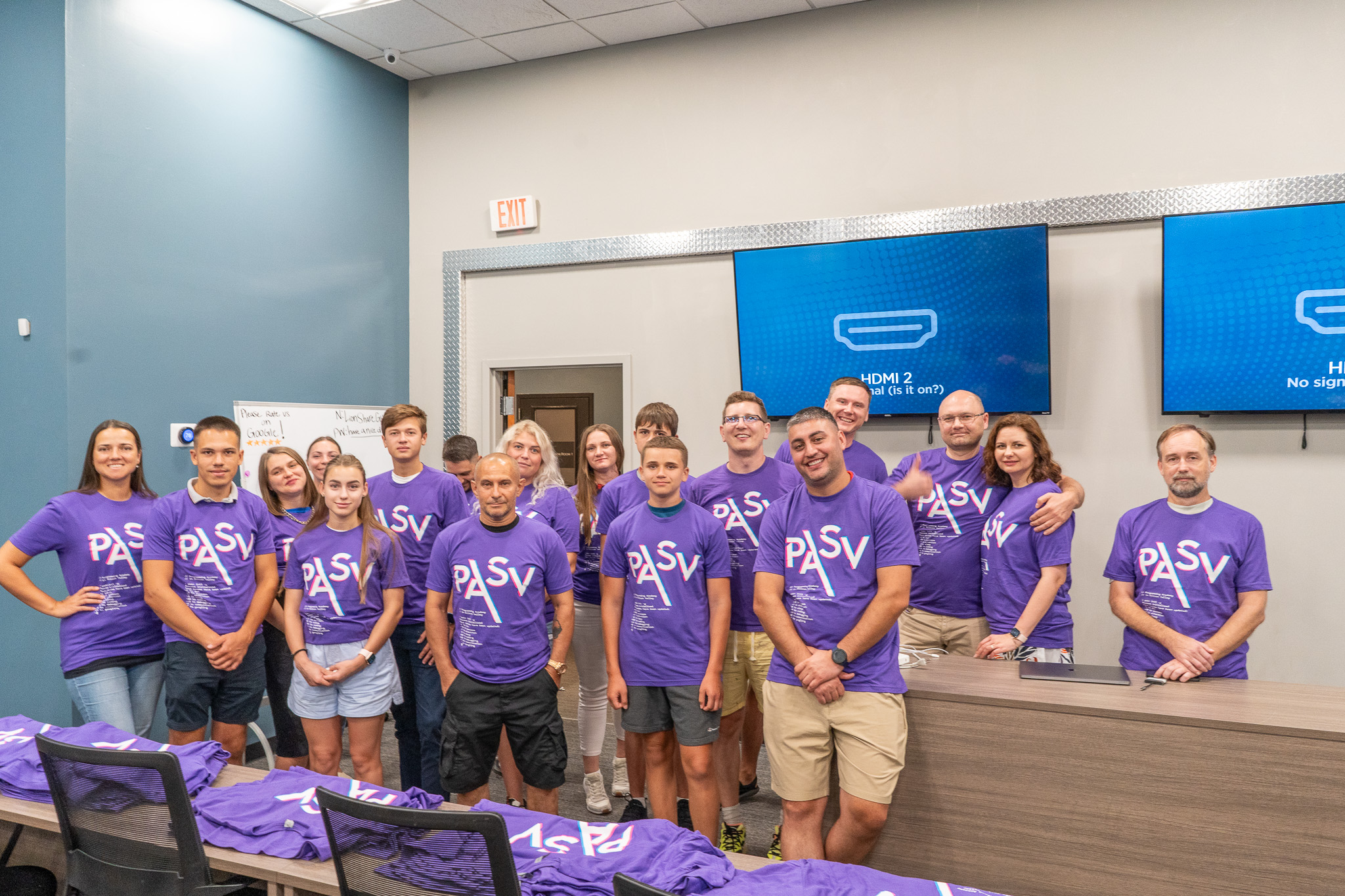
On the PASV courses you can learn the field from scratch and gain every skill you need to get hired. Over eight months you will work through the theory and complete a great many practical assignments with mentors. Your instructors will be experienced working programmers from Silicon Valley. You will also take an internship on a commercial project and be able to put that experience on your resume.
Classes are online, so you can fit your studies around a day job. And your spouse can take the course with you entirely free of charge.
Sign up for our QA Automation course, learn a new profession and become a sought-after specialist on the international job market.