Who is testing the right profession for?
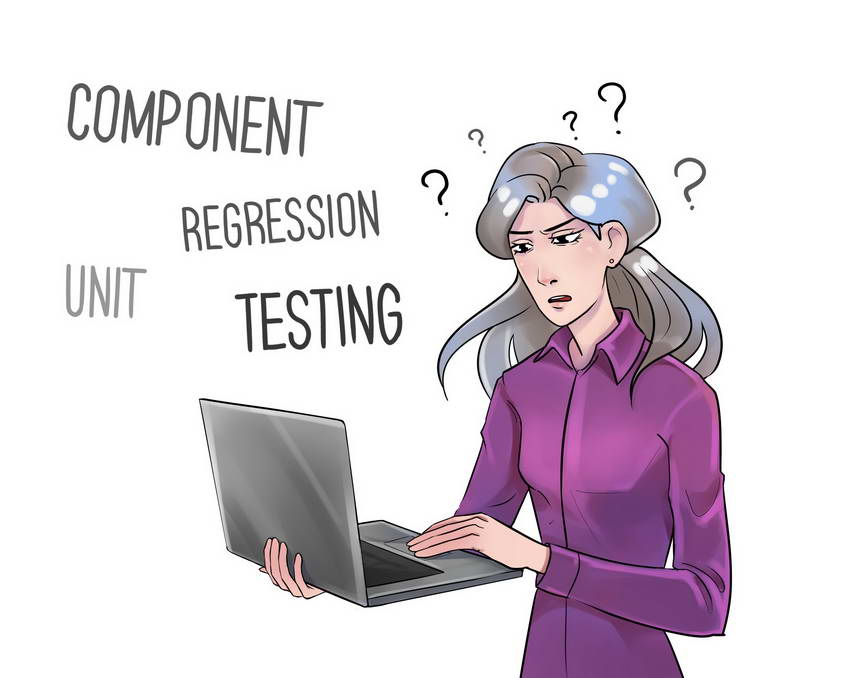
The qualities that matter when considering a career in testing
Software testers are the professionals who look for defects and problems in finished software. If you are thorough, attentive to detail and enjoy solving puzzles, this may be the career for you.
Testers need to be able to analyse complex systems and have solid problem-solving skills. The work demands continuous learning and skill development, because the technology never stops changing.
The skills a tester needs
The core skills are analytical thinking, the ability to work in a team and competent technical writing. Beyond that, testers have to be ready to learn and adapt to new technologies and methods.
Programming knowledge — Python or Java, say — is useful too, as is an understanding of the software development process. But neither is essential, and many testers begin their careers with no programming background at all.
Can you become a tester with no experience?
Yes, you can, but you need the will to learn and develop in the field. Many companies offer internships or entry-level positions to people wanting to start a career in software testing.
Taking a software testing course, studying material online and contributing to open source projects can all give you the skills and knowledge to start.
The outlook for the profession
Testing has a great deal of room ahead of it. More and more companies understand how much good testing matters in the development process, so demand keeps growing. As software and technology grow more complex, testing specialists become more important to the industry.
Testers can also grow professionally and move into more senior roles such as lead tester, quality analyst, test manager or even head of quality assurance.
How to become a tester: the first steps
If you have decided that testing is right for you, here are a few steps to get you going:
- Study and teach yourself: keep learning and developing in the field. There are plenty of online courses and resources for picking up the fundamentals of software testing.
- Gain experience: look for an internship or an entry-level position where you can get hands-on experience and learn more about how testing works.
- Network: building connections with professionals in testing helps you hear about openings and get advice from people with experience.
- Get certified: a certificate from a recognised organisation can improve your chances of being hired and of moving up.
In closing
Testing can be a rewarding and promising career for a great many people. If you think analytically, pay attention to detail and are ready to keep learning, it may be an ideal fit. Bear in mind, though, that it takes continuous skill development and constant adaptation to changing technology.