Myths about working in tech

What is true and what is not?
Tech is surrounded by myths that can put off or mislead anyone considering a career in it. Let's go through the most common ones and explain why they do not hold up.
You need to be good at maths to become a programmer
Basic mathematics is useful, but it is not a requirement for working as a programmer. Understanding logic and algorithms matters, but many languages and tools today have been simplified to the point where you can pick them up without deep mathematical knowledge.
Programmers are slaves to their work and have no personal life
There is a stereotype that programmers work constantly and have no time for anything else. In fact tech offers flexible hours, remote work and other ways of balancing work and life. People in tech have hobbies, travel and spend time with their families.
Tech means programming
Programming is only one of many roles. There are careers in cybersecurity, project management, design, data analysis and a great deal more. Tech offers varied career paths to people with different skills and different interests.
Programming is for technical minds only, with no room for creativity
Contrary to the stereotype, tech is not solely about technical problems. Creativity plays an enormous part in devising innovative solutions, building user interfaces and shaping marketing strategy. There are plenty of creative roles in tech: UX/UI designers, content marketers, project managers.
Tech is only for men
Tech stopped being a male preserve long ago. More and more women build successful careers in it, taking leading positions at companies and developing advanced technology. The industry values skill and professionalism, not gender.
You can make millions in tech without much effort
Salaries in tech can be high, but succeeding takes a great deal of time, effort and continuous learning. A high income comes with experience and the ability to adapt to fast-changing technology. There is no easy money here.
You cannot break into tech without a degree
Higher education is useful but not required for a successful career in tech. Many companies value real skills and experience more than diplomas. Courses, certifications, project work and a portfolio can all count for more than formal education.
Becoming a developer takes years of study
Thanks to intensive courses and self-study, many people become developers in a matter of months. What matters is motivation and a readiness to keep learning. A great many tech specialists carry on studying and improving throughout their careers.
People in tech do not care how they look
A very common myth, though appearance matters to a great many people in tech. Modern tech workers understand the value of a professional image and often pay attention to how they present themselves, particularly when working with clients or appearing in public. In a field where communication with all sorts of people is an inseparable part of the job, being well turned out can noticeably affect how a professional is perceived.
People in tech understand every computer, can repair them on autopilot and handle any software, because that is their job
Tech is an enormous field with a great many specialisms. Not everyone in it can repair a computer or work with any program you name. A cybersecurity specialist may not know the fine points of a graphics editor, and a web developer may not know how to configure network equipment. Every tech professional has their own area of expertise, and knowing every aspect of the industry to an expert standard is simply not possible.
Myths about tech can frighten people off, but in reality the field offers a great deal to anyone ready to learn and grow.
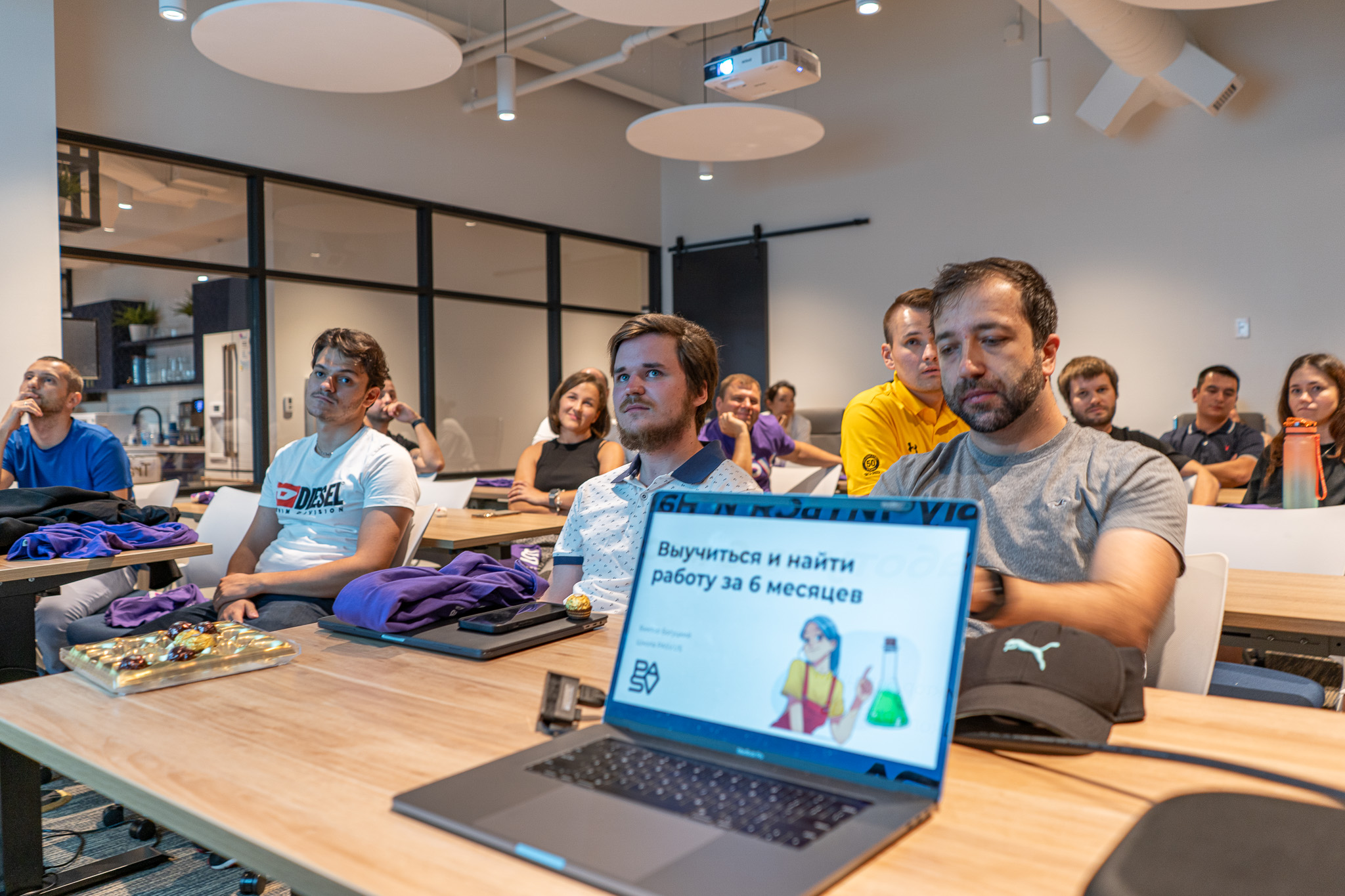
Our school, Programming Academy in Silicon Valley, gives you a chance to find out what it is like to be a programmer, a tester, a designer or an iOS developer at our free lessons.
And then to carry on with our courses:
- QA Manual
- QA Automation
- Full-Stack Developer
- Java Developer
- UX/UI Designer
- DevOps Engineer
- Machine Learning
- iOS Developer
- Mobile Testing
And to put the myths to rest for good, follow us on Instagram and see what life at the school is actually like.