
Moving to the USA permanently
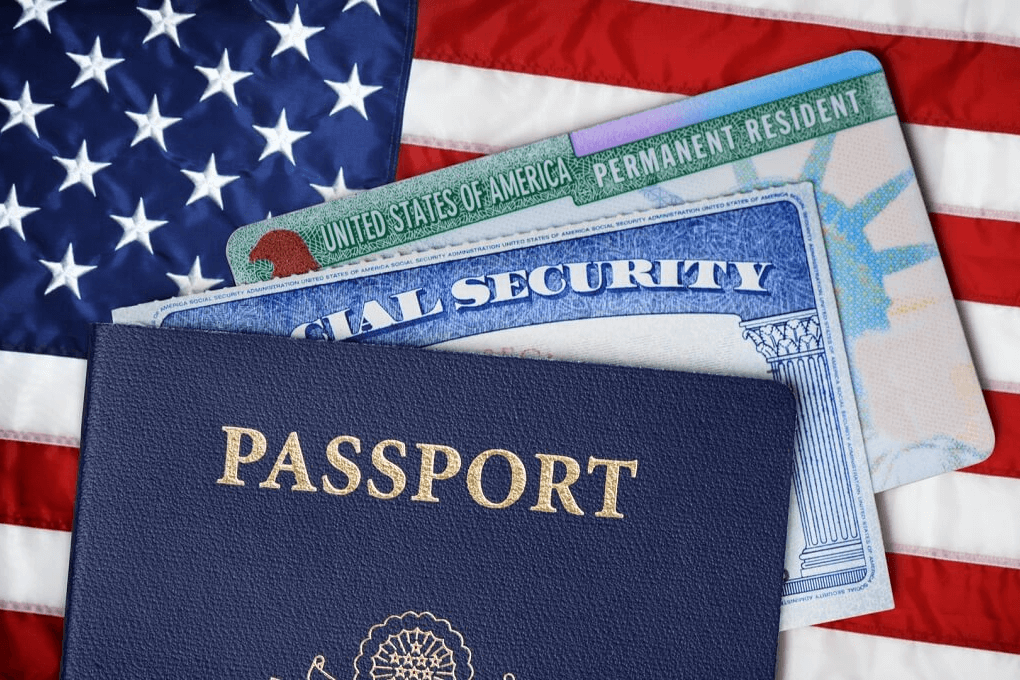
Gaining permanent residence in the USA is an appealing prospect on several counts: economic, personal and professional. But changing where you live is never easy, even when the decision is the fulfilment of a long-held dream. To settle in faster and more comfortably, prepare for the move thoroughly. Let's look more closely at whether the move is worth making, which steps it takes and which challenges you will meet.
Is moving to the USA worth it?
"America is a land of opportunity" is a phrase that long ago passed into common speech, and not without reason. A developed economy, a high standard of living and remarkable employment prospects are far from all that the American dream offers.
Few people here complain of financial instability, and the room for career growth is appreciably better than in other countries. Moves are also often driven by other considerations — the quality of healthcare and the standard of education — which matter particularly to families emigrating.
But there are challenges:
- Adapting to a new culture. That means language barriers, norms of behaviour, the conventions of conversation and much else.
- The high cost of living, particularly in a large city. Either way, bear in mind that a large share of your spending will go on rent, taxes and insurance.
- Competition in the job market. Demand for places at prestigious American companies is genuinely high and you should be ready for it. But this deserves looking at from more than one side, so we will give it more attention in the next section.
Permanent residence in the USA will ask for both moral strength and financial capacity — the two things that let you meet the challenges. But is the American dream not worth that?
What career opportunities does the move open?
If you are looking for a place where building a successful career and realising your potential is comfortable, the question hardly needs asking. The answer is yes. And although we mentioned stiff competition in the job market, there is another side to that coin:
- access to the best educational resources;
- endless ways of raising your qualifications;
- high standards of work;
- a wide range of fields to develop in;
- one of the highest levels of pay in the world;
- a well-developed tech industry;
- a great many research laboratories attracting specialists from around the world.
Working arrangements deserve a mention of their own. There is no need at all to find an apartment near an office, as there was even five years ago. Freelancing and remote, project-based and hybrid arrangements are all widely practised in America. Though if you want it, you can become an employee at a Google office and walk through Silicon Valley regularly — another advantage of living in the USA.
You can train in an in-demand, well-paid tech specialism at PASV. Our instructors will not teach you how to emigrate, but they will give you everything you need to get hired at an American firm. We train tech specialists from scratch, providing an internship and help with the job search.
How to move to the USA
The work divides roughly in two: what has to be done in preparation, and what deserves attention once you arrive.
The first stage means gathering documents, which we will come to shortly. Finances deserve attention too: set aside a budget for the move itself and give yourself a cushion for the early period. You should have money at least for the basics — rent, food, transport — enough to last several months. That makes the settling-in period easier and keeps you from panicking when something unexpected happens.
Before you move, start looking for somewhere to live and for work. Accommodation is easy to find on Zillow, Craigslist and Realtor, and vacancies on LinkedIn, Indeed and Glassdoor.
Which documents to prepare
Familiarise yourself in advance with the paperwork a move requires. The minimum set includes:
- a visa of the appropriate type (work, student, investment, immigrant and so on);
- proof of financial standing;
- employment documentation;
- confirmation of your work or study experience;
- medical records.
What to do on arrival
The first thing is to get yourself settled. Attend to every family member's social adaptation, and there is no getting anywhere without English. Do not neglect health insurance. If children have moved with you, choose a school for them.
Routes to permanent residence
If you are planning to move to America, we would recommend getting to grips with the legal procedures properly. The best option is to use an immigration lawyer who can advise you and, where needed, help prepare your documents.
There are several routes:
- Try your luck in the annual Diversity Visa Program, better known as the Green Card lottery.
- Obtain an immigrant visa through family reunification. This suits anyone with close relatives in the USA who are citizens or residents.
- Obtain a work visa, if you work for an American company.
- Another popular route is becoming a student at an American university. You can extend your stay through the Optional Practical Training programme.
- Permanent residence can also be obtained through investment or by applying for political asylum.
Taking such a serious step deserves careful thought about every aspect of life in a new country, from cultural adaptation through to where you will live and work. But for all the difficulties, bold decisions have a way of turning out to be the best ones.