Which full-stack course should you take?
A course gives you structured, current information. You do not have to pan for gold in the noisy stream of internet content, work through piles of material and puzzle out how to apply it. You do not even need to find well-connected acquaintances in the field to answer the questions you get stuck on. Nor do you have to find somewhere to practise and work out how to prove your qualifications. All you need to do is decide which full-stack course to take and approach the studying seriously.
Where a full-stack course leads
Complete a full-stack course successfully and you will feel the benefits. A few of them:
- You will enter the profession faster than colleagues who chose a different route.
- You will be a sought-after specialist. If you want, you can take on projects end to end. If not, a full-stack curriculum is built so that you can later pick whichever direction appeals. You can settle on front-end or back-end, or move into another area where what you learned on the course is a strong reason to say yes to you. The choice is entirely yours.
- After the course you will have the skills you need to get hired. Good pay, interesting projects, comfortable hours and room to grow are all realistic once you finish. You will not have to spend years building up a track record and a name and hoping someone eventually notices you.
What a full-stack curriculum should cover
The first thing to look at when choosing a course is which topics the programme includes. Full-stack work demands a broad approach, so the more programming, testing and design skills you come away with, the better:
- The fundamentals of programming and HTML.
- Front-end development to a high standard, from advanced JavaScript through to build systems and automation.
- Back-end development: at least one programming language, working with databases, an understanding of frameworks.
- How the front end and the back end fit together.
- Deploying applications, finding and fixing defects, handling updates and maintaining software.
It is also worth understanding that for a full-stack developer, learning is part of the job. You need to follow new tools, keep improving your skills and stay current with where web development is going.
Five pieces of advice on choosing a full-stack course
- Choose a school where you will get a lot of hands-on practice.
- Study the curriculum closely. The more topics it covers, the more skills you can list when applying for jobs.
- Look at who the instructors are. They should have enough experience to be worth learning from.
- Pick a course with a schedule that suits you, so that you do not miss classes.
- Make sure you will finish with a certificate confirming your qualification.
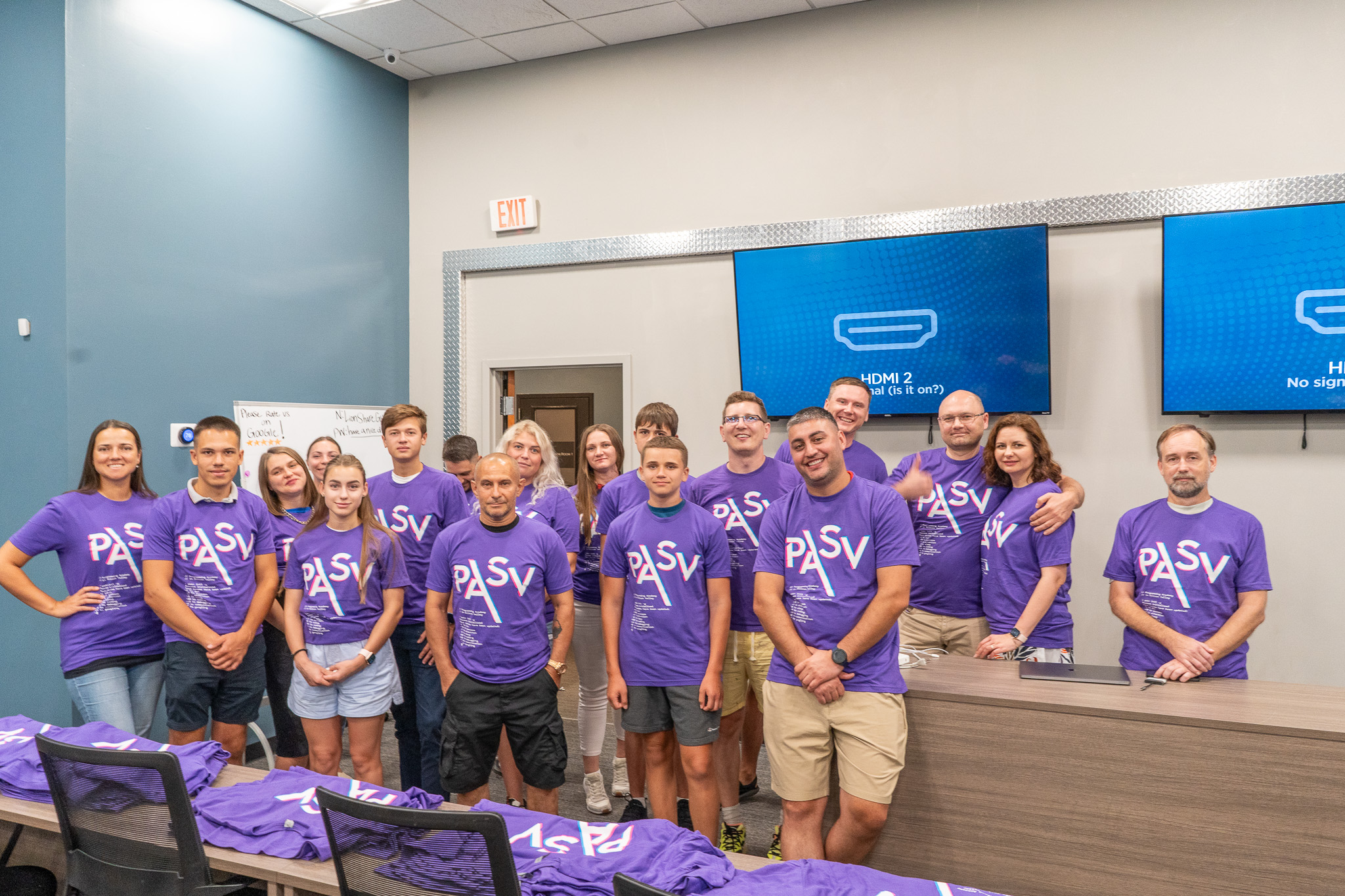
The full-stack course at PASV
Our instructors are working programmers from Silicon Valley. They review homework, give feedback and keep improving the curriculum with current practice.
Every student gets to work on a real American project and to put that experience on their resume. We also prepare students for interviewing in English. Sign up for the Full Stack Developer course and pick up a promising new profession in 10 months.