
Python for data science: a powerful tool for analysis and machine learning
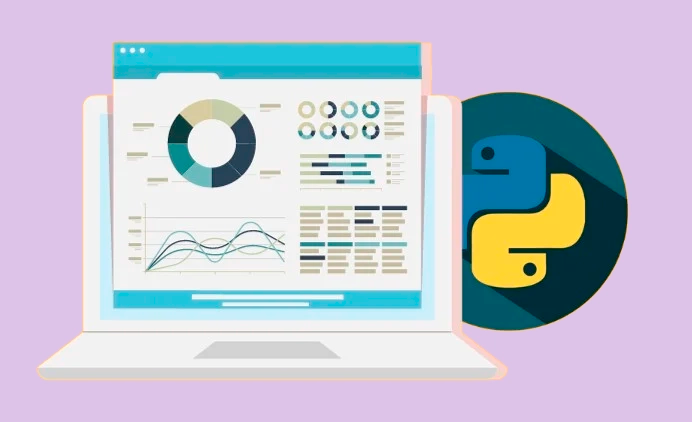
Python for data science is like the instrument panel of an aircraft. With it you see the data clearly, analyse it effectively and make the right calls. And remember: offering a business sound strategic decisions means resting on real facts. Intuition, however well developed, is not enough here.
The good news is that you can learn Python from scratch without an impressive programming background. And PASV will help you not merely understand the language but use it to solve real business problems.
What Python for data science means
Data on its own is raw material. You can study the numbers, sort them a little and, with some effort, draw a conclusion or two. Python for data science turns that raw material into genuinely valuable information. Someone who knows the language extracts insight and moves a business in the right direction, which is why the work is valued so highly in the USA and other developed countries.
We will not dwell on the technical specifics of the language here. We will only say that we love it for its simplicity, its concise syntax and its remarkable libraries. It has made life appreciably easier for programmers worldwide. Python is used for machine learning, for the AI everyone is talking about and, of course, for data analysis. Anyone who knows it holds a competitive advantage in the job market.
What Python makes possible in data science
For us, Python is more than a language. It is a complete tool that makes working with data easier at every stage, from gathering it to interpreting it.
Which is why we recommend taking a Python course for data analysis:
- Pandas and NumPy will become indispensable. You can load data with them, clean it up, and transform it when it turns out to be too large.
- TensorFlow, Scikit-learn and PyTorch let you feel the full reach of machine learning. Prediction, classification and clustering all run faster and more effectively with them.
- Nothing wears you down like routine, monotonous work. A Python data analysis course teaches you to automate report updates, text processing and pulling data together from different sources.
- Another advantage is presenting results in a form people can use. With Matplotlib and Seaborn you can build informative charts and interactive dashboards. Visualising information well is valued highly in the USA and demonstrates real competence.
- Finally, Python integrates superbly with cloud services and big data tooling. However enormous the datasets, you will be able to work with them.
Where data science work with Python leads
America is the hub of the largest tech companies, which use the most advanced technology in the field. Data science itself is highly valued in the job market, and that will hold for decades to come. But the specialists most in demand are those with a real command of the modern tools — and Python can fairly be called a ticket into the industry:
- It is used in AI, big data and machine learning. Those are the fields that will be most in demand in the near future — and that holds whether you work in America or try your hand in Asia or Europe.
- Specialists who know Python in data science earn well. Their prospects are also far wider than those of colleagues for whom the language remains a mystery.
- The language is useful beyond tech companies. Marketing, finance, medicine, cybersecurity — America offers a great deal across many fields. Having finished a Python data analysis course, you can confidently apply in whichever area interests you most.
To take advantage of all that, treat the learning seriously. At PASV you will pick up current skills and current approaches. Everyone who teaches with us is a working specialist from one corner of the industry or another. On the Python for data science course, students do more than learn the language: they learn to apply it to data.
Frequently asked questions
Can you learn Python for data science with no programming background?
Yes.
How long does it take?
With intensive, regular study, a few months.
What salary can a beginning data science specialist with Python expect?
From $80,000–$100,000 a year.
Can you learn Python online?
Yes — at PASV you can.
Does Python handle large volumes of data?
Yes.