
Woodworking classes as an alternative to tech: is craft the right path for a child?
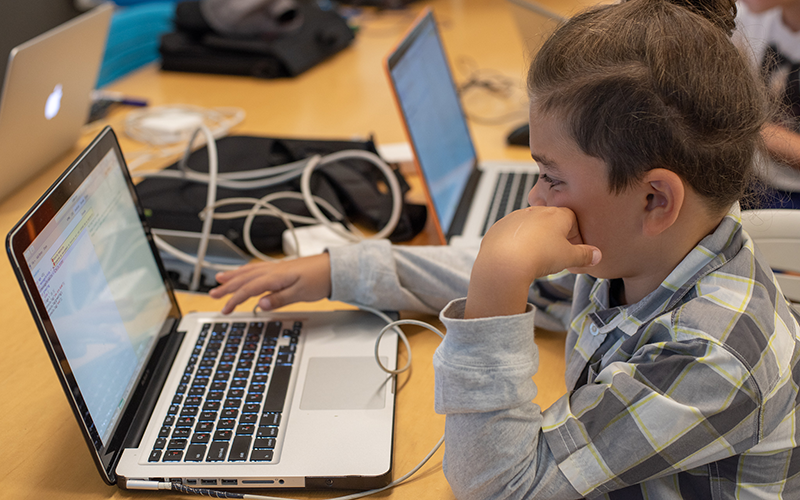
Working with your hands is a skill worth encouraging. Woodcarving classes are an unusual way to draw out a child's potential: they develop fine motor control, teach concentration and build creativity. Then again, programming classes also let a child make something new with their own hands, and do it just as carefully and just as creatively. So which is better in the end — woodworking or programming?
What woodworking classes teach children
The main aim is learning to handle tools and work with wood. Woodcarving classes for children usually cover:
- the properties of different woods;
- safe use of a saw, hammer, chisel and so on;
- building simple things such as shelves and toys;
- finishing and surface treatment.
Woodworking classes are a good way to find a child a hobby. But as often happens with school-age children, the enthusiasm for wooden objects fades quickly and they want to try something new. On top of that the trade is a fairly narrow one, and earning from it in the first months after learning the craft is out of the question.
Which is more use: woodcarving classes or children's programming courses?
Over the long run, tech remains the more attractive option. Woodcarving classes teach children to work with their hands, feel a material and develop patience, but programming:
- teaches logical thinking;
- helps a child adapt to a digital environment;
- gives them a way to express themselves creatively.
Woodworking is a fine craft and of course worth pursuing, particularly if a child enjoys it. But in an age of digitalisation its prospects are fairly limited.
Programming skills, by contrast, keep opening new doors. On the Scratch course students build animations and games. On Python, teenagers already write applications of their own. This is where their ideas come to life. Young programmers see how far their abilities reach, and the enthusiasm does not fade.
It is also a good way to build on the skills woodworking gives. Who knows — the combination of carving and programming may draw out a child's potential further still.
Another advantage of tech courses is that classes are online and run on a convenient schedule. Young programmers are not pulled away from their schoolwork and can fit their studies around other clubs. Nothing stops them taking woodworking classes at the same time. Details of the programme, the cost and the timetable are on the PASV website.
Frequently asked questions
Is it dangerous to give a child sharp tools?
The work is normally supervised by experienced instructors.
Can a child do both courses?
Of course. Plenty of parents do exactly that so their child can work out which interests them more.
Can woodworking classes be taken online?
Such courses normally require the child to be there in person.
What format do PASV's tech courses for children take?
Online.
Are tech courses within a child's reach?
Yes — the programme is built around the students' age.