The website tester
Billions of people use websites every day. They vary in type, purpose and scale, but each of them needs checking beforehand for defects and for ease of use if it is to be effective. Testing is what improves a site's quality and helps it do what it was built for. It is a service in demand, and it always will be, because new sites launch every day. If you want to earn well in tech and never be short of work, it is worth understanding what a website tester does and learning the profession.
What is a website tester?
It is a tech profession involving the deliberate search for defects in both the user-facing and the server side of a web resource. The point is to improve the site's quality and help developers miss nothing while meeting a client's requirements.
Unlike developers, who concentrate on building the digital product, the tester's job is to break the site. That lets the programmer see the weak points and understand how to fix them.
The tester within a tech team
Every team that builds web resources professionally not only knows what a website tester is but works with one. They play an important part in the process:
- They help find defects early, so the programmer spends less time and effort fixing them.
- By analysing the user-facing side, they help the designer build the most comfortable interface possible.
- Fixing defects and improving usability makes a site more reliable, more stable and more pleasant, which in turn helps the SEO specialist promoting it.
You could say a tester is the hidden component without which the whole machine will not run properly.
What a website tester does
The core of the work comes down to:
- Planning the testing: choosing methods and tools and deciding the order of the work.
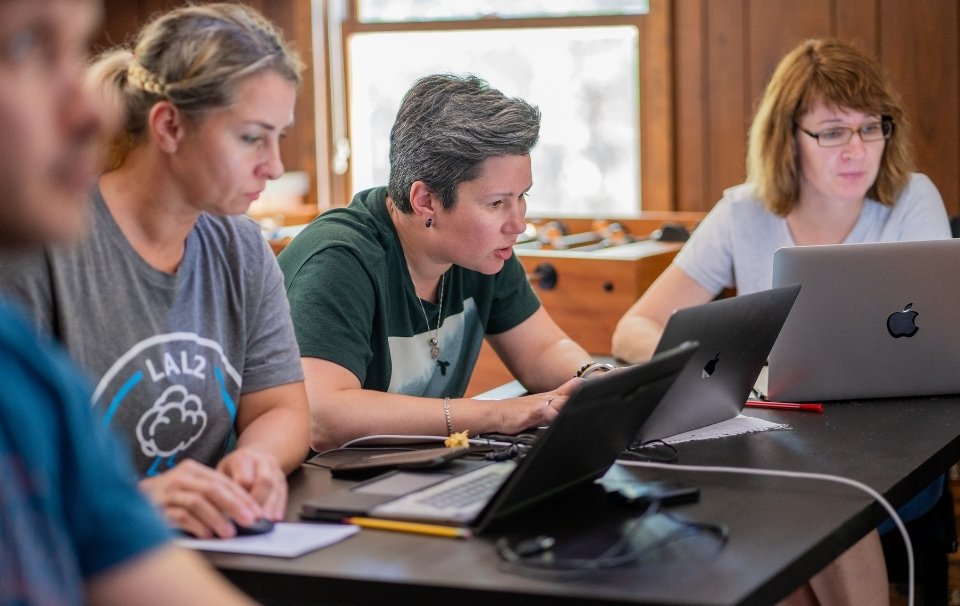
- Running the tests: functional, load, usability, security assessment and so on. This is the largest part of the job, taking most of the time and requiring various testing methods.
- Documenting the defects found. Bug reports are written to a standard so that developers understand them in detail.
- Working with the team to fix the defects and improve the experience of using the site.
The work demands a great deal, since the volume of tasks is considerable and the quality of the testing and the overall result depend largely on how attentive the tester is.
What it takes to become a website tester
The profession is demanding, for all the apparent simplicity of the job. To work in QA you need:
- A knowledge of the programming languages used to build web resources, of how sites are structured and work generally, of internet security protocols, of databases and so on. In practice a tester has almost the same body of knowledge as a programmer, so as to be able to find faults in the code and suggest a fix.
- Manual and automated testing skills and the ability to use various testing tools.
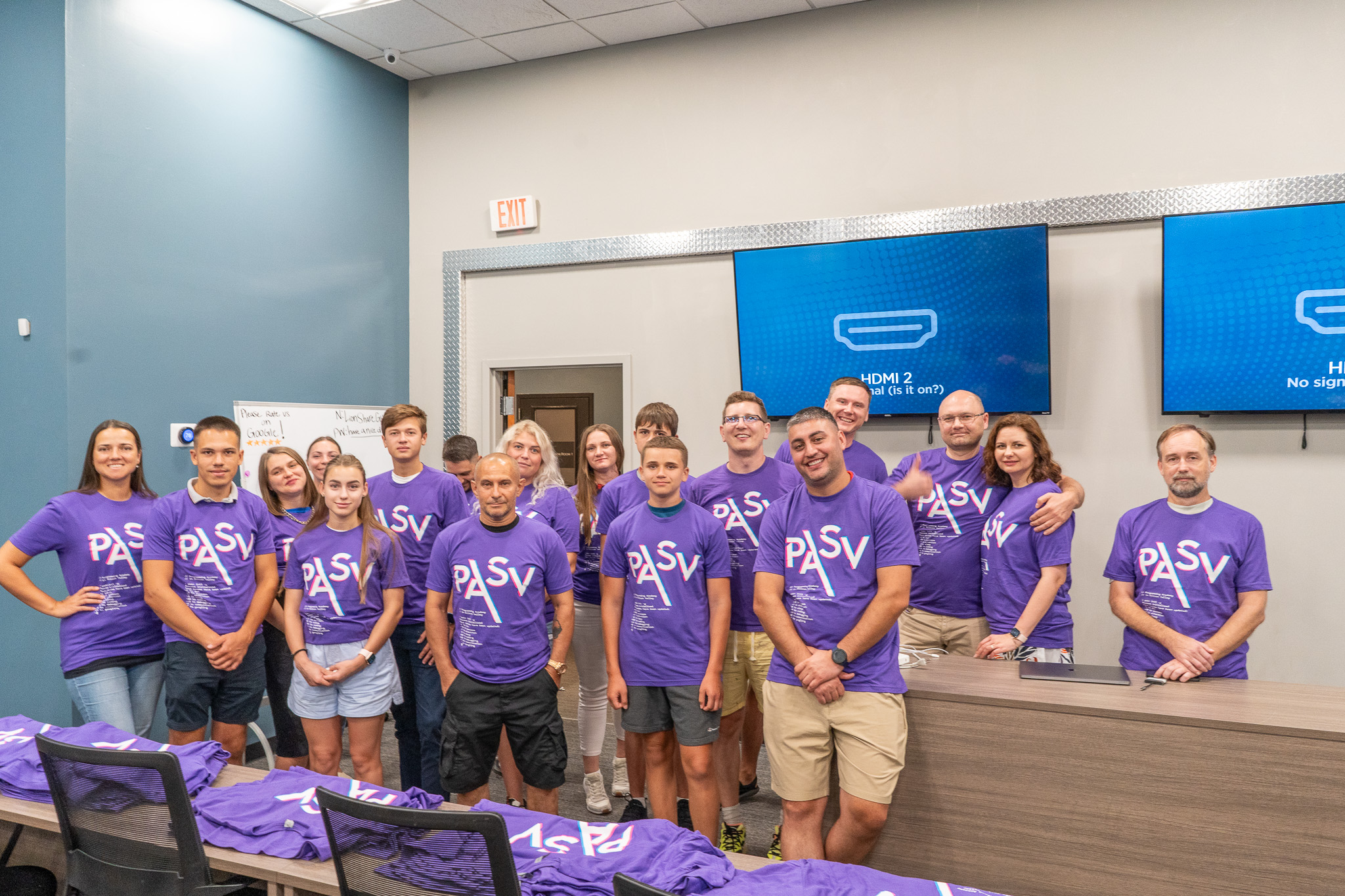
- Certificates of training. Every employer asks for these when hiring. At PASV every graduate receives a document confirming they completed the course.
The work also calls for particular personal qualities:
- Attentiveness and the ability to concentrate on a task.
- Resilience under stress and sustained load.
- Reliability.
- The ability to manage your own time.
Where to train as a website tester
Training from scratch is available at PASV. We train capable specialists, giving them the full body of knowledge and the chance to practise under the guidance of leading testers. An internship at real US tech companies also lays a substantial foundation for getting hired afterwards.
Given how fast everything in tech moves, a website tester's education never really ends. The course and the practice finish, but self-study continues. As new approaches to building and testing appear, a specialist has to get to grips with them and bring them into their daily work. Broadly, the profession can be learned to junior level in two to three months from nothing. Progressing to mid-level takes around two to three years of constant practice and self-study.
What the work looks like
Website testing vacancies are always on the market. Broadly they group as:
- In an office or remote.
- Staff or contractor.
- Project work for a freelancer.
Large tech companies favour in-person employment, with the QA specialist working in the office alongside the team. Smaller organisations take testers on remotely.
Pay depends on qualifications, on the specialism, on experience and on what a particular employer offers. In the USA a tester can earn on average $70,000 to $150,000 a year.
Working remotely
Testing can be done remotely, and the salary prospects there are good too. The main advantages:
- Flexible hours.
- No money spent commuting.
- You can work regardless of location.
Remote work does require self-discipline and time management, though.
The future of the profession
Website testers will always be in demand. Digital technology is developing rapidly, so demand for tech specialists keeps rising. The Internet of Things, machine learning and artificial intelligence open more scope for testing and make the work more interesting still.
The prospects for QA specialists are excellent. You can develop in a particular direction — manual or automated testing, or analysis — or become a generalist on a high salary. It all depends on your abilities and your wishes. But the trend is confidently upward, with further growth expected over the coming decades.