
QA Automation
Мы учим владеть AI инструментами. Именно таких специалистов ищут компании.
Помогаем составить резюме и тренируем прохождение собеседований.
Стажировка на реальных проектах в команде.
Где работают наши выпускники
В этих известных компаниях наши студенты работают на фултайм и контракте. А также огромное количество выпускников трудится в сотнях других компаний по всему миру.

Средняя зарплата по уровням
Ваш карьерный путь от первой работы до эксперта. Зарплаты актуальны для рынка США на 2025 год.
в PASV
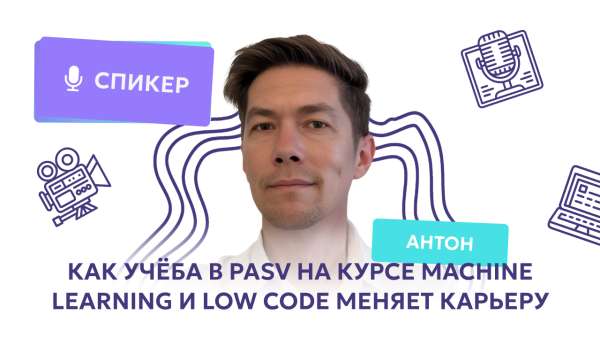
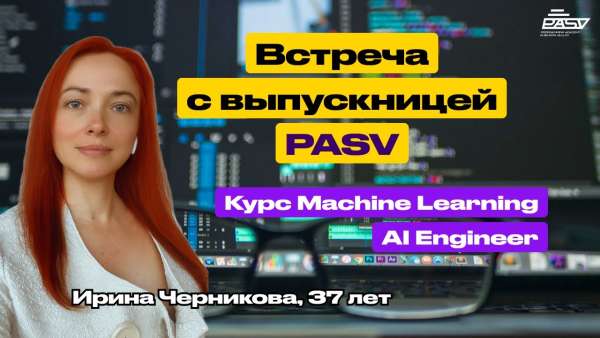
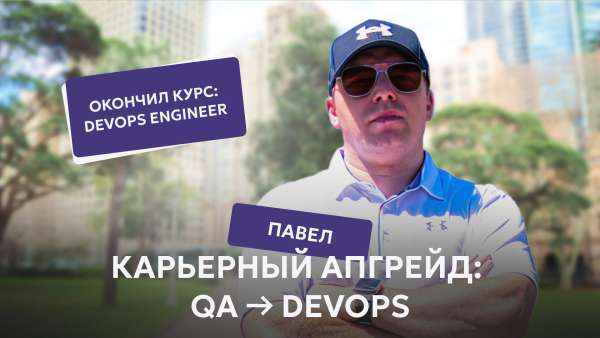
Reviews from QA Automation course graduates
Students start going through interviews while still taking the course. All our students who start job searching get employed within 1-2 months of searching.





О профессии
Что вы получите по окончании
- No prior experience or technical education required
- Training in small groups with mentor support
- Plenty of practice to develop hands-on skills
- Internship on a U.S.-based project
- Preparation for interviews and assistance with résumé building
- Starting salary of our graduates: $100,000 per year
- Spouse can attend the same program for free
Кому подойдет этот курс
Программа курса
QA Manual Module
— Designing a new product
— Minimum Viable Product (MVP) and its purpose
— MVP Development
— Client Base Application: Version 1
— Requirements for Client Base: Version 1
2. First Days at the Company
— First workday: What is expected of a new colleague
— Daily standup meetings
— Onboarding process
— How to secure an internship
3. Tester Tools
— Bug tracking: Jira
— Test management: TestRail
— Documentation: Confluence
— Video conferencing: Zoom
— Company chat: Slack
— Screen recording: Loom
— Screenshot tools
— File sharing: Dropbox, Google Drive, Box
— Browser tools: Chrome Developer Tools
— API testing and documentation: Postman
— Databases: MongoDB, SQL
— Containerization: Docker
— Cloud services: AWS, Google Cloud, Microsoft Azure
— Code repositories: GitHub, GitLab, Bitbucket
— Code editors: Webstorm, VS Code
— Terminal usage: Command Line Interface (CLI)
4. Testing Theory
— What is testing?
— Testing goals – Parts 1 & 2
— Testing vs. debugging
— Quality Assurance & Quality Control
— Verification & Validation
— Tester psychology
— Seven principles of testing
— Testing lifecycle
5. Software Development Cycles and Models
— Understanding the software development cycle
— Waterfall Model
— V-Model
— Agile Model
— Contextual influence on development cycles
6. Testing Levels
— Unit testing
— Integration testing
— System testing
— Acceptance testing
— Alpha and beta testing
7. Requirements and Test Cases Basics
— What are requirements?
— Drafting requirements
— Test case structure and best practices
8. Creating Test Cases
— Test cases for login forms
— Requirements for registration forms
— Test design techniques
— Test cases for registration forms
9. Defects and Bug Reports
— What are bugs and defects?
— Bug report structure
— Defect lifecycle
— Writing bug reports in Jira
10. Teamwork Principles
— Scrum methodology
— Development team roles
11. CI/CD Methodology
— Understanding CI/CD
— Continuous Integration (CI)
— Continuous Delivery (CD) and testing
12. API Testing
— Web applications and HTTP request basics
— HTTP statuses and headers
— Developer tools (Chrome Developer Tools)
13. Testing Types and Documentation
— Key types of testing
— Comprehensive testing categories
— Testing artifacts and documentation
14. Accessibility Testing
— What is accessibility testing?
— WCAG requirements
— Accessibility testing tools
15. Interviews and Employment
— Hiring processes in companies
— Interview structure and participants
— Receiving a job offer
— Background check process
16. Interview Preparation Questions
— General questions
— Project and company-related questions
— SDLC/STLC questions
— Scrum-related questions
— QA, QC, and testing principles questions
— Testing types and levels questions
— Test case and test design questions
— Defect-related questions
— HTTP protocol questions
— REST API testing questions
— Testing documentation questions
Additional Lectures
Git and GitHub Basics
JavaScript Syntax Module
— Variables
— Logical operators. Branching. Comparison
— Strings
— Objects
— Arrays
— Cycles
— Using cycles with numbers
— Using cycles with strings
— Using cycles with arrays
— Using cycles with objects
— Cycle within a cycle
— Mathematical operations
— Recursion
Each topic is reinforced with tasks
SQL Lectures
— Tables and Data Relationships
— Primary and Foreign Keys
— Connecting to a Database
— Remote vs. Local Database Connection
— Using Free Online MySQL Databases
— Connecting with DataGrip
— Database Operations:
— Creating tables with Primary and Foreign Keys
— Inserting rows
— Generating Diagram Structures
— SQL Queries:
— SELECT, WHERE, ORDER BY
— Introduction to JOIN
— LEFT JOIN
— LEFT JOIN across multiple tables
— RIGHT JOIN
Module: JS QA Automation UI — WD + Cypress
— DevTools tricks
— Selectors theory
— Selectors practice
— WebdriverIO project setup
— Page Object Model (POM)
— First Web UI tests with Webdriver
— IOWeb UI tests practice with Webdriver
— IOMocha hooks and custom commands in Webdriver
— IOCross-browser testing and headless mode
— Integrating WebdriverIO tests with CI/CDCucumber with WebdriverIORunning tests with Selenium Standalone
— Running tests with SelenoidCypress project setup & overview
— Web UI testing interview practice
Module: JS QA Automation UI — Playwright
Selectors:
— CSS Selectors (Theory and Practice)
— XPATH Selectors (Theory and Practice)
— Project Setup with Playwright
— First UI Tests (Authentication)
— UI Tests Practice (User Profile)
— Mocha Hooks
— Using Environment Variables
— Page Object Model (POM):
— Page Elements
— Sign-In via API
— Mock Testing with Playwright
— Generating Playwright Reports
— Interview Preparation for Playwright
Module: JS Automation API (REST)
Linux Basics:
— Theory and Practice
— Working with SSH Keys
— Test Project Setup
— Syntax for Common Test Runners
Creating API Tests:
— First Tests
— HTTP Client Syntax
— Environment Variables
— Test Runner (Mocha) Hooks
— Wrappers for API Tests
Practice:
— Setting Up a Mock Server
CI/CD Integration:
— Theory
— GitHub Actions
— API Testing Interview Preparation
Module: JS Automation API (GraphQL)
— TCP/IP, HTTP protocol
— What is API
— Different types of APIs: REST, SOAP, GRAPHQL, etc
— What is GRAPHQL
A LITTLE BIT OF THEORY
— CRUD
— DevTools
— How It looks in REST and in GRAPHQL
SSH KEYS
— Let's generate the SSH key
LET'S SETUP OUR PROJECT "THE BOOK OF COMMENTS 1.0.0"
A LITTLE BIT OF THEORY. TEST SCENARIOUS
APOLLO STUDIO. CREATE YOUR PROJECT. GITHUB PRACTICE
— Apollo studio
— Create a new Node.js project
— What is npm?
— Scripts (shortcuts) in npm project, their purpose
— What's the difference between package.json and package-lock.json?
WORKING WITH YOUR PROJECT. GITHUB PRACTICE
— The project structure
— GitHub practice: commonly used commands
"THE BOOK OF COMMENTS 2.0. 0". THE FIRST TEST
— Connect to DB (MongoDB app)
— Create the first specs: createUser, userGetAll
— Positive scenario
PRACTICE. RESPONSE STRUCTURE. ACYNC/AWAIT
— Response structure
— userGetById, updateUser, deleteUser
— async/await
PRACTICE. LET'S UPDATE THE PROJECT. ERRORS
— Let's rewrite our tests. Import, export
— Errors. Negative scenario
PRACTICE. HOOKS. FAKER. NEGATIVE SCENARIO
— Hooks: beforeAll, afterAll, beforeEach, afterEach
— Faker
— Errors. Negative scenario
PRACTICE. PR -> PR REVIEW -> MERGE. FAQ
— PR -> PR review -> Merge. Workflow
— FAQ
PRACTICE. WORKING WITH GIT. RESOLVING THE CONFLICTS
— Working with Git. Resolving the conflicts.
— CRUD Comment.
POSTMAN. AUTHENTICATION, AUTHORISATION
— Creating a collection.
— process.env
— Cookies, Token etc
PRACTICE.
WRAPPING UP. FINAL LESSON
— Interview question
Additional SQL classes
— SQL Workbench, SQL Syntax, Basic Query, aliases
— Operators (and, or, in, between, like), Where clause, Order by, Top/Limit/Rownum
— SQL=DDL+DML+DQL (select, update, delete, insert, create, drop)
— Create a table from a query.
— Types of Joins: Inner, Left, Right, Full
— Group By and Aggregate Functions (min, max, count, avg, sum), Having Clause, Exists
— Union, Subquery
— Self Join, Information_Schema
— Date/String/Numeric Functions
— Case Statement, Regular Expressions, Advanced Functions
— Data cleansing, working with nulls and dups, distinct records
— SQL Interview Question
— SQL books, SQL tutorials, interactive SQL examples, sample databases
— Practice creating databases and writing queries
HTML & CSS Lectures
— Introduction to DevTools
— Network Tab Overview
— Network Waterfall Analysis
— WebStorm Setup:
— Installing and Configuring WebStorm
— First Project: "Hello World"
HTML Basics:
— Main Tags: <!DOCTYPE>, <html>, <head>, <body>
— Structural Tags: <h1>, <h2>, <h3>, <p>
— WebStorm Shortcuts for Efficiency
— Formatting Tags: <strong>, <b>, <i>, <s>, <u>
— Layout Tags: <div>, <span>
Working with Links and Images:
— Adding Links with <a>
— Embedding Images from Remote Sources
— Embedding Images from Local Sources
Tables in HTML:
— Creating and Structuring Tables
— CSS Basics:
— Connecting CSS to HTML
— Basic CSS Styling Example
— Using IDs and Classes for Styling
— CSS Selectors Overview
— Common CSS Properties
Interview Practice Module
— Practice behavioral and technical interview scenarios
— Conduct mock interviews with detailed feedback
— Improve self-presentation techniques
Mock Interview Sessions:
— Real-world simulation with technical and HR questions
Resume and Feedback
LinkedIn Profile Creation and Optimization:
— Guidance on building a professional LinkedIn profile
— Strategies for networking and gaining recruiter attention
Recruiter Interaction Training:
— How to communicate effectively with recruiters
— Best practices for handling background and reference checks
Interview Preparation:
— Understanding the stages of interviews (screening, technical, behavioral)
— Strategies for answering tough questions
Job Offer and Next Steps:
— How to evaluate and negotiate an offer
— Insights into the "Background Check" and "Reference Check" process
This module is designed to provide hands-on experience and practical knowledge for job applications, from building resumes to acing technical interviews and negotiating offers effectively.
Ответы на вопросы по курсу QA Automation
Нужно ли иметь опыт программирования перед началом курса?
Нет, курс разработан для начинающих. Мы начинаем с основ и постепенно переходим к более сложным темам.
Сколько времени нужно уделять обучению?
Рекомендуется выделять 15-20 часов в неделю: занятия с преподавателем, домашние задания и самостоятельная практика.
Как проходит стажировка на проекте?
Стажировка проходит на реальных проектах в США. Вы будете работать в команде под руководством опытных разработчиков, получая практический опыт коммерческой разработки.
Помогаете ли вы с трудоустройством?
Да, мы предоставляем полную поддержку: подготовка резюме, создание портфолио, mock интервью и рекомендации по поиску работы.
Какие технологии я изучу на курсе?
Полный стек современных технологий: JavaScript, React, Redux, Node.js, Express, MongoDB, TypeScript, Git и многое другое. Подробная программа доступна выше на странице.