
QA Manual
We teach you to work with AI tools. These are exactly the specialists companies are looking for.
We help you write a resume and we practise interview technique with you.
An internship on real projects in a team.
Where our graduates work
Our students work at these well-known companies full time and on contract. A great many graduates also work at hundreds of other companies around the world.

Average salary by level
Your career path from a first job to expert. Salaries are current for the US market in 2025.
в PASV
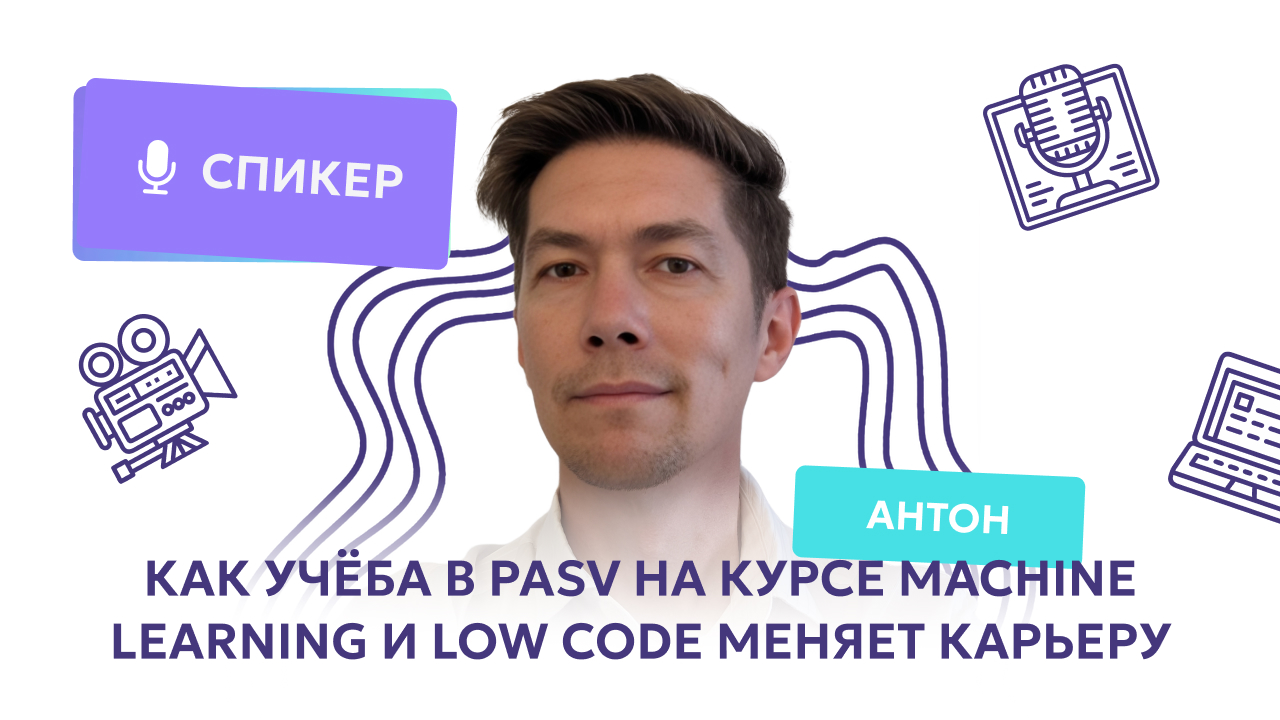
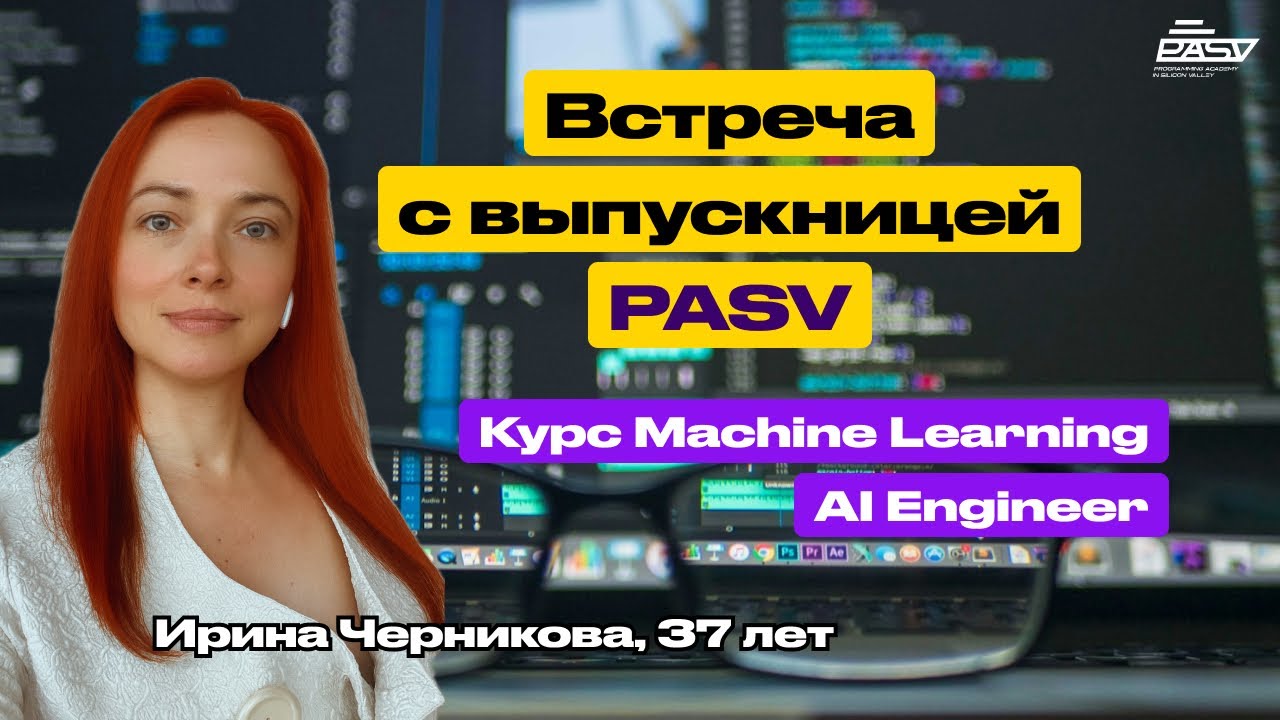
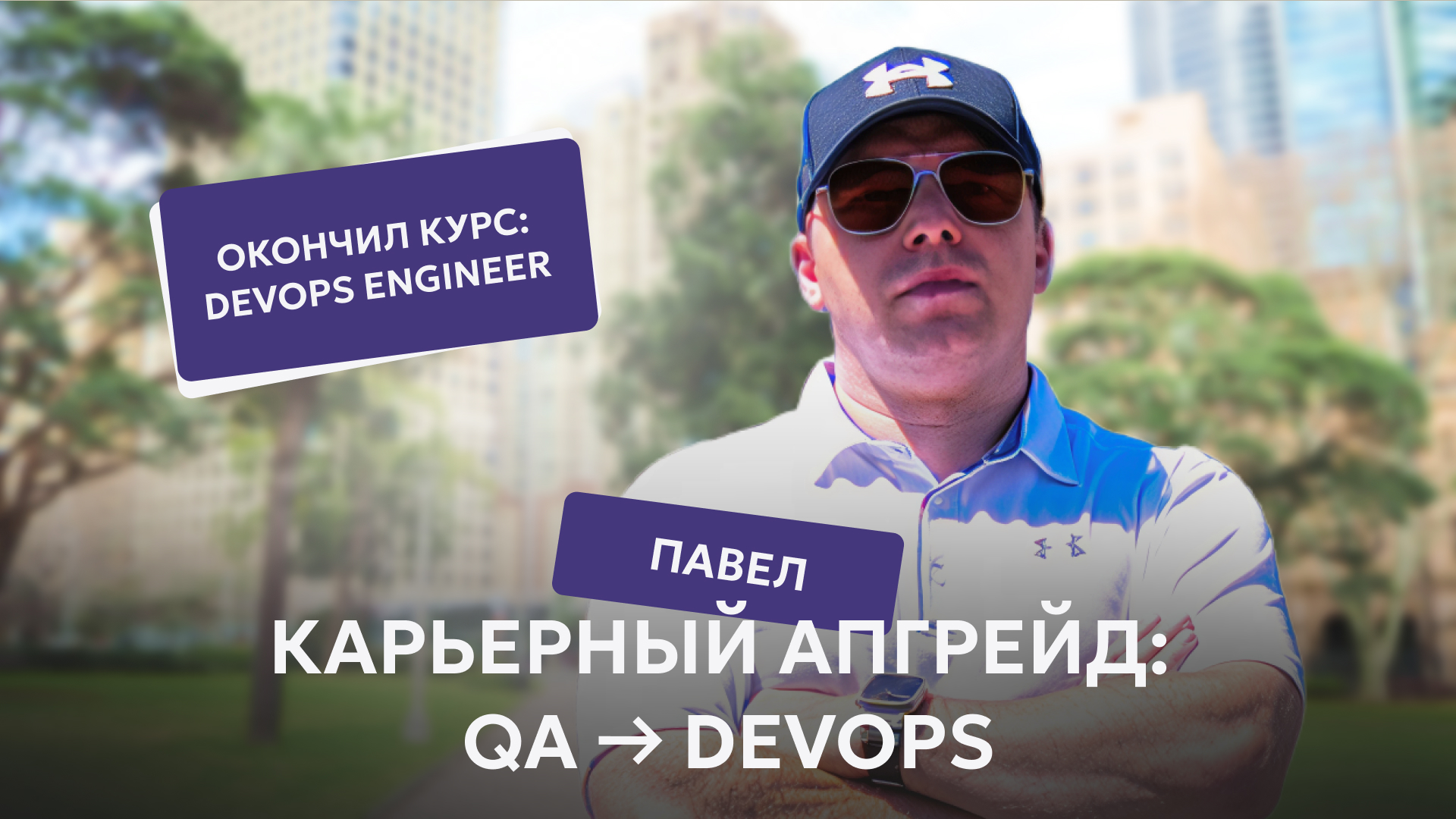
Reviews from QA Manual course graduates
Students start going through interviews while still taking the course. All our students who start job searching get employed within 1-2 months of searching.





About the profession
What you get on completion
- No prior experience or technical education required.
- Start job hunting as early as two months after beginning the course.
- Gain hands-on experience through a project in the U.S. (with the internship option).
- 100% readiness for interviews upon course completion.
- Spouse can study for free in the same cohort.
- Resume assistance and interview preparation in English.
Who this course suits
Course syllabus
First Days in the Company
— Daily standup meetings
— Onboarding process
— How to qualify for an internship
Tester Tools
— Test Management: TestRail
— Documentation: Confluence
— Video Conferencing: Zoom
— Team Chat: Slack
— Screen Recording: Loom
— Screenshot Tools: ScreenShot
— File Sharing: Dropbox, Google Drive, Box
— Browser Tools: Chrome Developer Tools
— API Testing and Documentation: Postman
— Databases: MongoDB, SQL
— Containerization: Docker
— Cloud Services: AWS, Google Cloud, Microsoft Azure
— Code Repositories: GitHub, GitLab, Bitbucket
— Code Editors: Webstorm, VS Code
— Terminal Use: Command Line Interface (CLI)
Testing Theory
— Testing goals – Parts 1 and 2
— Testing vs. debugging
— Quality Assurance vs. Quality Control
— Verification vs. Validation
— The psychology of a tester
— The seven principles of testing
— The testing lifecycle
Software Development Cycles and Models
Models:
— Waterfall
— V-Model
— Agile
How context influences the SDLC
Testing Levels
— Integration testing
— System testing
— Acceptance testing
— Alpha and beta testing
Requirements and Test Cases Basics
— Writing effective requirements
— Test cases and their structure
— Best practices for writing test cases
Creating Test Cases
— Requirements for registration forms
— Test design techniques
— Test cases for registration forms
Defects and Bug Reports
— Bug reports and their structure
— The defect lifecycle
— Writing bug reports in Jira
Team Collaboration Principles
— The development team
CI/CD Methodology
— Continuous Integration (CI)
— Continuous Delivery (CD) and testing
API Testing
— HTTP statuses and headers
— Using Chrome Developer Tools
Testing Types and Documentation
— Various types of testing
— Testing artifacts
— Test documentation
Accessibility Testing
— WCAG requirements
— Tools for accessibility testing
Interviews and Employment
— The interview process
— Participants in interviews
— Offer Stage: You got the job!
— What to expect during a background check
Interview Preparation Questions
— Questions about the project and company
— Questions about SDLC/STLC
— Scrum-related questions
— QA/QC and testing principles
— Types and levels of testing
— Test cases and test design questions
— Defect-related questions
— HTTP protocol questions
— REST API testing questions
— Test documentation questions
Product, Company, and Team
— Minimum Viable Product (MVP) and its purpose
— MVP development
— Client Base Application, Version 1:
— Requirements for Version 1
Answers to questions about the QA Manual
Do I need programming experience before starting the course?
No. The course is designed for beginners. We start with the fundamentals and move gradually to more advanced topics.
How much time does the course take?
We recommend setting aside 15–20 hours a week: classes with an instructor, homework and independent practice.
How does the project internship work?
The internship takes place on real projects in the USA. You work in a team guided by experienced developers, gaining practical experience of commercial development.
Do you help with finding a job?
Yes. We provide full support: resume preparation, building a portfolio, mock interviews and guidance on the job search.
Which technologies will I learn on the course?
A full stack of modern technologies: JavaScript, React, Redux, Node.js, Express, MongoDB, TypeScript, Git and much more. The detailed syllabus is above on this page.
Become a QA Manual Specialist with Beginner-Friendly Courses
The success of modern companies largely depends on the quality of the software they use. That’s why thorough software testing has become a key focus. Manual QA specialists, who meticulously test every component and user journey within programs, are highly valued in the job market. This makes training as a tester a promising pathway to secure employment and a competitive salary. These specialists ensure software efficiency, reliability, and data security, making them indispensable across various IT domains. PASV’s QA Manual courses with certification can help you launch a successful career in this field.
QA Manual Training School for Entering the Profession
In 2025, you can become a QA Manual specialist quickly by enrolling in a beginner-focused program at a specialized school. PASV offers all the resources necessary to help students secure high-paying jobs and perform their roles effectively after completing the course.
Why Choose PASV's Beginner QA Manual Courses?
At PASV, you gain numerous advantages:
- Experienced Instructors: Courses are taught by practicing experts in IT and programming.
- Innovative Teaching Methods: Cutting-edge approaches ensure the material is absorbed effectively.
- Comprehensive Curriculum: The program covers everything from foundational principles to hands-on practice and internships.
- Flexible Schedule: Evening classes several times a week make it easy to balance coursework with work, studies, or personal commitments.
Choose PASV to start your QA Manual training journey — we make learning engaging, practical, and rewarding.
Cost of QA Manual Training
At PASV, our online QA tester courses are priced affordably, offering an extensive curriculum, expert instructors, and practical experience. Despite the high quality of the program, the cost is reasonable, and your investment can be quickly recouped with your first projects.
For more details, contact our manager, who will provide information on pricing and guide you through the process of starting your QA Manual training from scratch.